Mesa Slip and Fall Lawyer
A fall can change your day—or your life. We’ll help you understand if the property owner may be responsible.
If you were hurt in a store, restaurant, apartment complex, or parking lot, you may have a claim even if no one “meant” for it to happen. We’ll explain what matters in a slip and fall case, gather the right evidence, and guide you through next steps without pressure.
When a slip and fall becomes a legal claim
Premises liability, explained in plain language
Slip and fall cases are usually part of “premises liability,” which means a property owner or business may be responsible for dangerous conditions on their property. In simple terms, owners have a duty to keep areas reasonably safe and to fix or warn about hazards they know about—or should have known about. These claims often depend on details like how long a hazard was present and whether there were warnings. We help you sort out what’s relevant, what can be proven, and whether it’s worth pursuing.
Common hazards we see in Mesa and Phoenix-area falls
Real-world examples that often lead to serious injuries
Falls happen for many reasons, and it’s not always obvious at first whether negligence played a role. These are common conditions that can support a claim when they weren’t addressed appropriately.
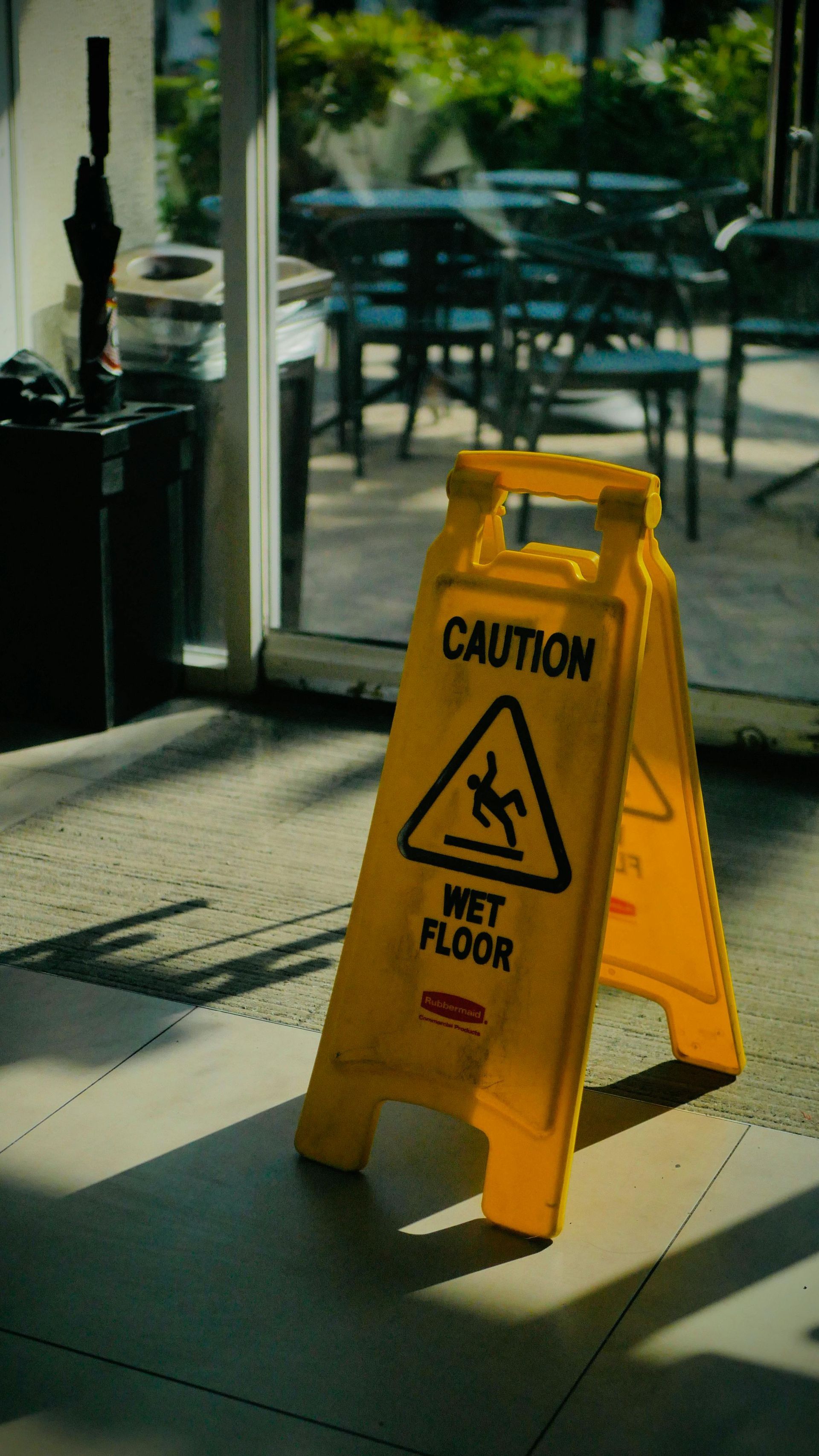
- Wet or slick floors without warning signs: Spills, mopping, or leaks that create a hidden danger.
- Uneven pavement or broken walking surfaces: Cracked sidewalks, potholes, or unmarked changes in elevation in parking lots.
- Poor lighting or unsafe stairs: Dark stairwells, loose handrails, or steps in disrepair that increase the risk of a fall.
- Cluttered aisles or obstructed walkways: Items left where customers or visitors are expected to walk.
Slip and Fall FAQs
Questions we hear often
Can I sue for a slip and fall in Arizona?
Sometimes, yes—especially when a dangerous condition wasn’t fixed or clearly warned about. The key is whether the property owner or business failed to act reasonably under the circumstances. We’ll ask a few clear questions about where the fall happened, what caused it, and what injuries you suffered. Then we’ll explain whether a claim is worth pursuing.
What do I need to prove in a slip and fall case?
Generally, you need to show a hazardous condition existed, that it caused your fall, and that the owner knew or should have known about it and didn’t address it appropriately. Evidence like photos, witness statements, and incident reports can help. Medical documentation also matters because it connects the fall to your injuries. We’ll help you understand what proof is most important in your case.
The store says it was my fault—do I still have a case?
You may. Businesses and their insurers often try to shift blame, especially when there isn’t clear documentation of the hazard. Arizona’s comparative fault rules can still allow recovery, even if some fault is argued. We’ll review the facts and help you understand what a fair outcome could look like given the evidence.
How long do slip and fall cases take?
It depends on the severity of the injuries, how long treatment lasts, and how cooperative the insurer is. Some claims resolve after medical treatment stabilizes and damages can be documented clearly. Others take longer if liability is disputed or evidence is contested. We’ll give you a realistic timeline based on your situation, not a one-size-fits-all answer.
Should I call a lawyer right away after a fall?
If you’re injured, it can help to talk early—mainly because evidence like surveillance video may not be kept for long. A quick call can also help you understand what to document and what to avoid saying to an insurer. If it doesn’t make sense to pursue a claim, we’ll tell you that plainly. If it does, we’ll explain the next steps in a calm, manageable way.

Recorded-Statement Caution
Before you give a recorded statement or accept a quick settlement, we’ll help you understand what it could mean for your claim.
Calm, Clear Next Steps
We’ll listen to what happened, explain your options in plain language, and help you choose a path forward without pressure.
Proving a slip and fall case
Evidence matters, and it can disappear quickly
Many people worry the business will say, “It was your fault,” or “We didn’t know about the hazard.” That’s why evidence is so important—photos, witness names, incident reports, and (when available) surveillance footage can help show what the condition was and how long it existed.
Arizona also follows “comparative fault,” meaning you can still have a claim even if the other side argues you share some responsibility, though compensation may be reduced depending on the facts. We’ll explain what that means in your situation and help you understand whether your case is strong enough to move forward.